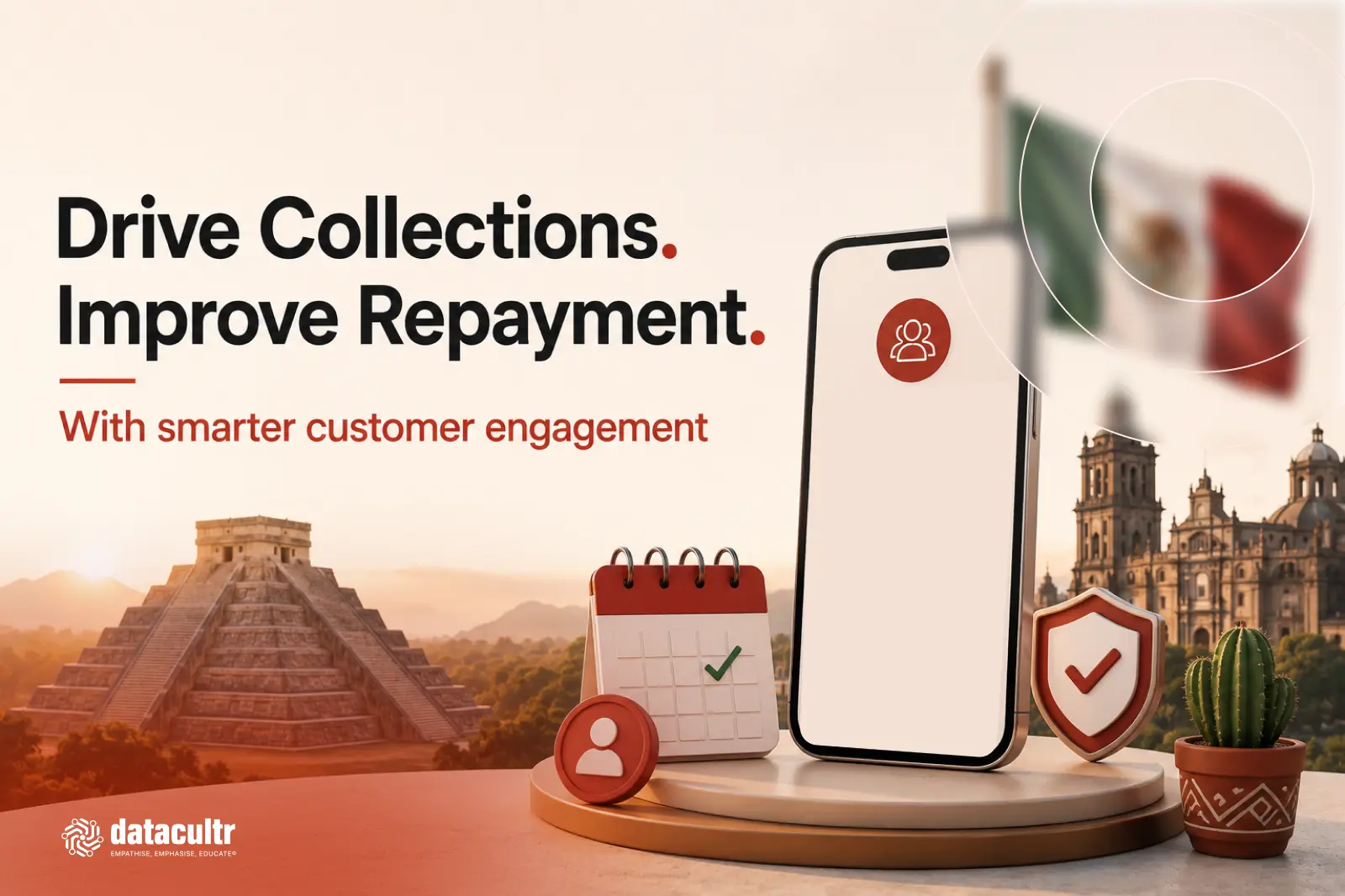
In Mexico, phones on credit have become a preferred way of purchasing a smartphone, as an increasing number of customers have started to look for flexible ways to pay.
In fact, almost 42.5% of smartphones sold in Mexico during 2024 were purchased through financing programs, highlighting how important cell phone financing has become for lenders.
But as portfolios grow across cities like Mexico City (CDMX), Guadalajara, Monterrey, Puebla, and Tijuana, lenders face a familiar challenge: How do we improve repayment outcomes while keeping customer communication clear, timely, and effective?
Cell Phone Financing in Mexico Needs Better Repayment Visibility
Device locking technology has been used in Mexico for years. Lenders already know how it works: restrict device access when a payment is missed. That part is not new.
The real challenge is how to modify and improve payment behaviour so that the use of device locking is reduced. In a market where customers are familiar with flexible payment options like meses sin intereses (interest-free installments), repayment journeys need to be timely, visible, and easy to act on. However, most lenders continue to depend on inefficient communication channels like SMS, calls, and emails to remind customers that a payment is due or overdue.
These channels are less reliable:
- SMS reminders get buried in the cluttered inbox and get deleted without being read.
- Calls may go unanswered, blocked, or pushed to voicemail.
- Emails are often missed or opened too late.

The result: a reminder is sent, but the customer never sees it.
This becomes especially risky in the first 48 hours post-due date. This is the window where a simple delay can either be corrected quickly or turn into a serious overdue account. The longer the delay continues, the harder the recovery becomes, and the more the lenders have to depend on manual follow-ups and stronger collection actions.
Datacultr’s On-Device Reminders: Improving Collections Through Early Visibility
Datacultr brings repayment communication directly to the financed device, helping lenders create timely visibility when customer action matters most. It adds an engagement-led enforcement layer that keeps all communication around repayments clear, direct, and hard to miss, without adding unnecessary inconveniences for the borrower.
This helps lenders strengthen on-time repayment discipline, improve customer response, and maintain better control over early-stage delinquency. For cell phone financing portfolios, this means:
- Early repayment visibility
- Stronger borrower response
-
Reduced manual
follow-up
Clients using our on-device reminder solution have seen an increase of 5–7 percentage points in collections in on-time payments.

Why Mexican Lenders Are Looking Beyond Device Locking Technology
Across Mexico, financiers are increasingly focused on customer experience, compliance, and repayment outcomes. When offering meses sin intereses or structured repayment plans for cell phones, lenders want more ways to engage customers before accounts become seriously overdue. That is where smart and effective communication tools become valuable.
A device lock may help enforce an overdue repayment. But a strong communication journey helps prevent the problem from escalating in the first place. The combination of direct-to-device messages, TruCall, and a Wallpaper Reminder gives lenders multiple opportunities to engage customers before stronger actions are required.
This is especially important for lenders managing large portfolios of cell phones with financing, where every missed reminder can increase collection pressure and manual follow-up costs.
Building Better Cell Phones on Credit Programs in Mexico
As cell phone financing continues to grow across Mexico, successful lenders will not be the ones who heavily depend on device locking technology. They’ll be defined by how well they communicate with customers throughout the repayment journey, and how fast they act within that first 48-hour window post due.
Datacultr helps lenders combine device controls with direct-to-device engagement, creating a more visible, customer-friendly, and effective collection process. That’s because the most effective repayment reminder is the one that your customer actually sees.
People Also Ask
How can lenders reduce early delinquencies in phones on credit programs in Mexico?
For phones on credit programs in Mexico, lenders need repayment journeys that build payment discipline from day one through timely nudges, direct-to-device communication, and clear escalation. This helps reduce first-payment default risk and keeps more accounts from entering collection buckets.
How can lenders reduce collection costs in Mexico’s cell phone financing market?
Collection costs rise when the collection strategy is heavily dependent on device locking, manual calls, field follow-ups, and late-stage recovery. In Mexico’s cell phone financing market, especially across CDMX, Guadalajara, Monterrey, Puebla, and Tijuana, scalable on-device communication helps lenders manage larger portfolios with lower operational load and faster borrower response.
How does Datacultr support lenders offering cell phones on credit in Mexico?
Datacultr helps lenders offering cell phones on credit in Mexico strengthen repayment discipline through device locking technology, direct-to-device communication, and engagement-led enforcement. The platform supports early borrower action, better portfolio control, and more efficient collections across large financed-device programs.
About Datacultr:
Datacultr is a digital risk and device management platform trusted by leading banks, NBFCs, telcos, OEMs, and retail chains across 35+ countries. The platform supports millions of devices, including smartphones, tablets, laptops, smart TVs, air conditioners, and other consumer durables. It enables secure device financing and Device as a Service (DaaS) programs at scale.